Checked against official sources in November 2026. General information, not legal, tax or financial advice.
Insurance is one of those costs that feels optional until the day it isn't. One injury claim, a stolen trailer or a storm-damaged storage unit can undo years of work.
Here's a plain guide to the main types of cover, based on the US Small Business Administration's guidance. Your needs depend on your state, your industry and what you own, so get quotes from an independent agent who knows businesses like yours.
Cover That Most Small Businesses Consider
- General liability: the SBA describes this as protecting any business against losses from bodily injury, property damage, medical costs, libel, slander, defending lawsuits and settlements or judgments.
- Commercial property: for businesses with significant equipment or premises, covering losses from events such as fire, storms and vandalism.
- Professional liability: for businesses that give advice or services, covering errors and negligence.
- Product liability: for businesses that make or sell products.
- Home-based business cover: often a rider on a homeowner's policy, covering a small amount of equipment and some third-party injury liability.
- Business owner's policy (BOP): a bundle of typical coverages that can simplify buying and save money.
What Employers Must Carry
The SBA says the federal government requires every business with employees to have workers' compensation, unemployment insurance and disability insurance, and that some states require more. Laws vary by state, and Texas lets most private employers opt out of workers' compensation, as our hiring guide explains.
Don't Forget the Van
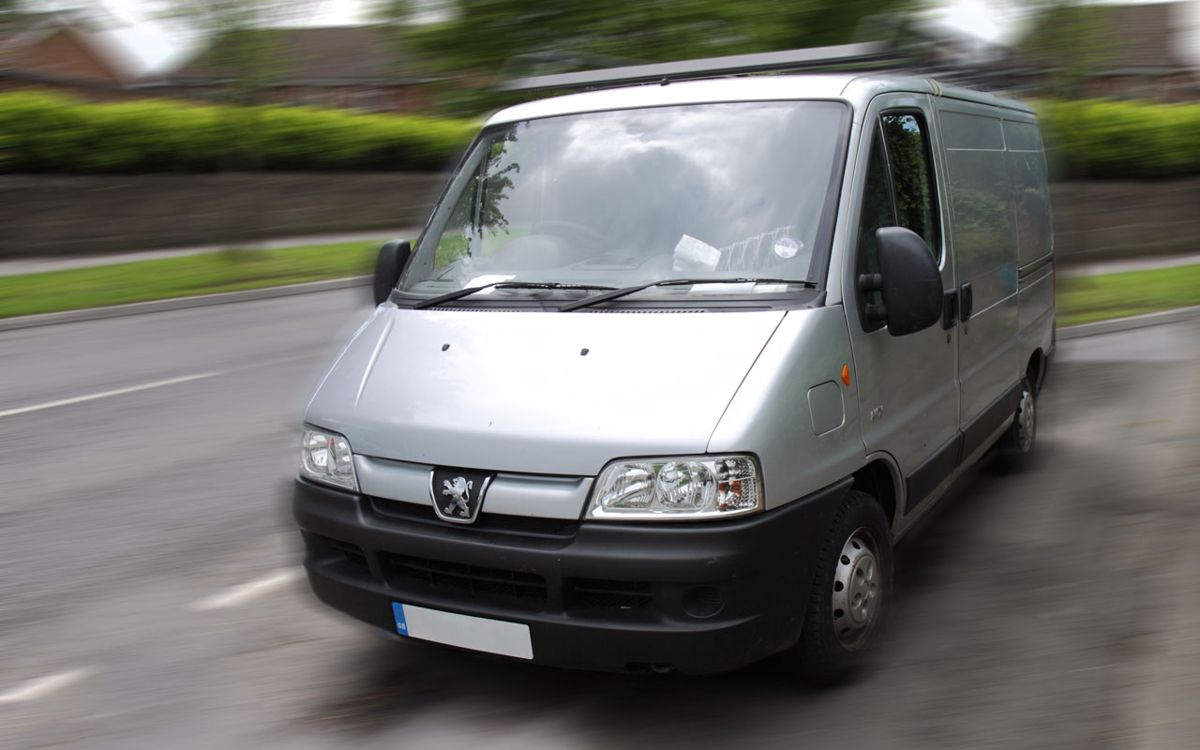
A personal auto policy may not cover a vehicle used for business, especially if you're towing equipment or carrying staff. Tell your insurer exactly how you use your vehicles and ask whether you need a commercial auto policy.
Tip: Event venues, schools and city parks often ask suppliers for a certificate of insurance naming them as an additional insured. Ask your agent how quickly they can issue one, as it can win you bookings.
Questions to Ask an Agent
- What exactly is excluded, and are there limits per claim and per year?
- Does the policy cover equipment while it's at a customer's site or in transit?
- Are subcontractors or casual helpers covered?
- What happens if I start offering a new service?
- Can you issue certificates of insurance for venues and customers?
Common questions
What insurance does a small business legally need?
The SBA says businesses with employees must have workers' compensation, unemployment and disability insurance, with extra requirements in some states. Other cover, such as general liability, is usually optional by law but often required by customers and venues.
What is a business owner's policy?
A bundle of typical coverages, usually general liability and commercial property, in one policy. The SBA notes it can simplify buying and save money.
Does my homeowner's policy cover my business?
Often only partly, if at all. A home-based business rider can add some cover for equipment and third-party injuries, but check the limits with your insurer.